· four exchange APIs · rebuilt daily
Moving Collateral Between Venues Costs Up to 0.055 Percent
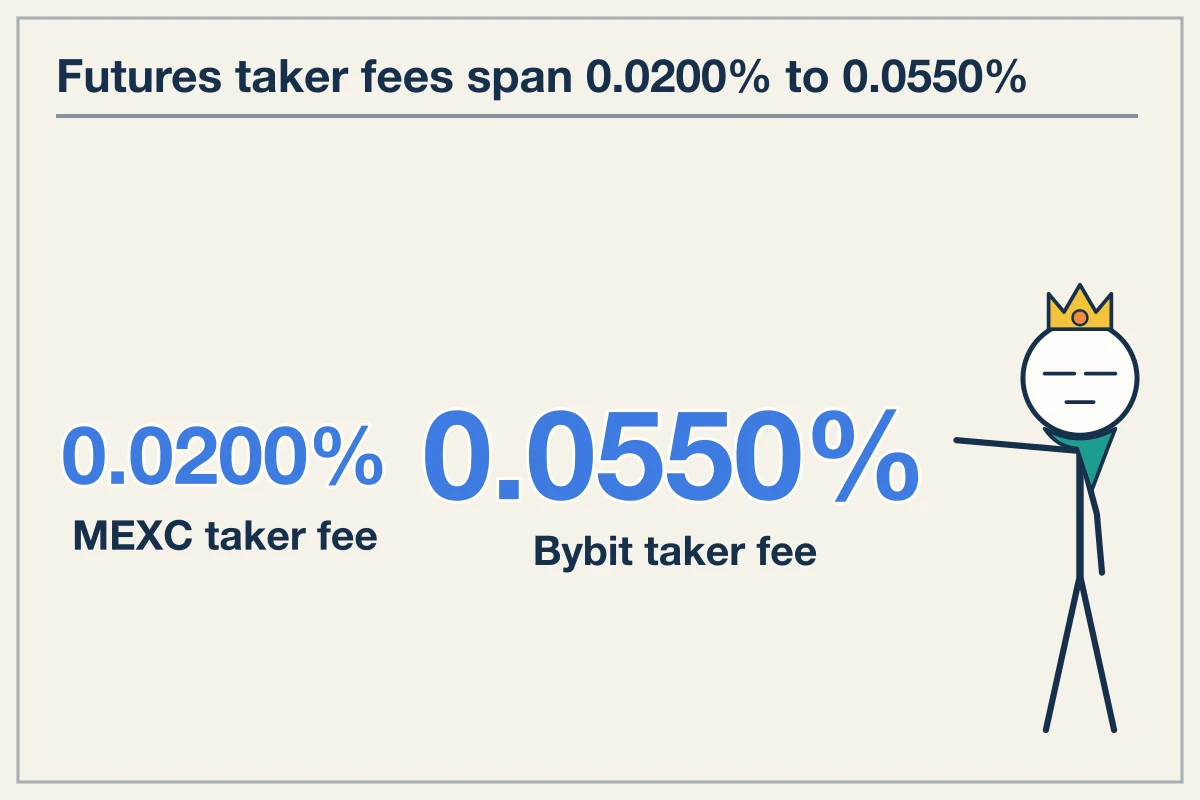
Cross-exchange capital routing via USDT or USDC avoids volatile price slippage but incurs venue taker fees and variable network gas costs.
Stablecoin Settlement Mechanisms and Volatility Risk
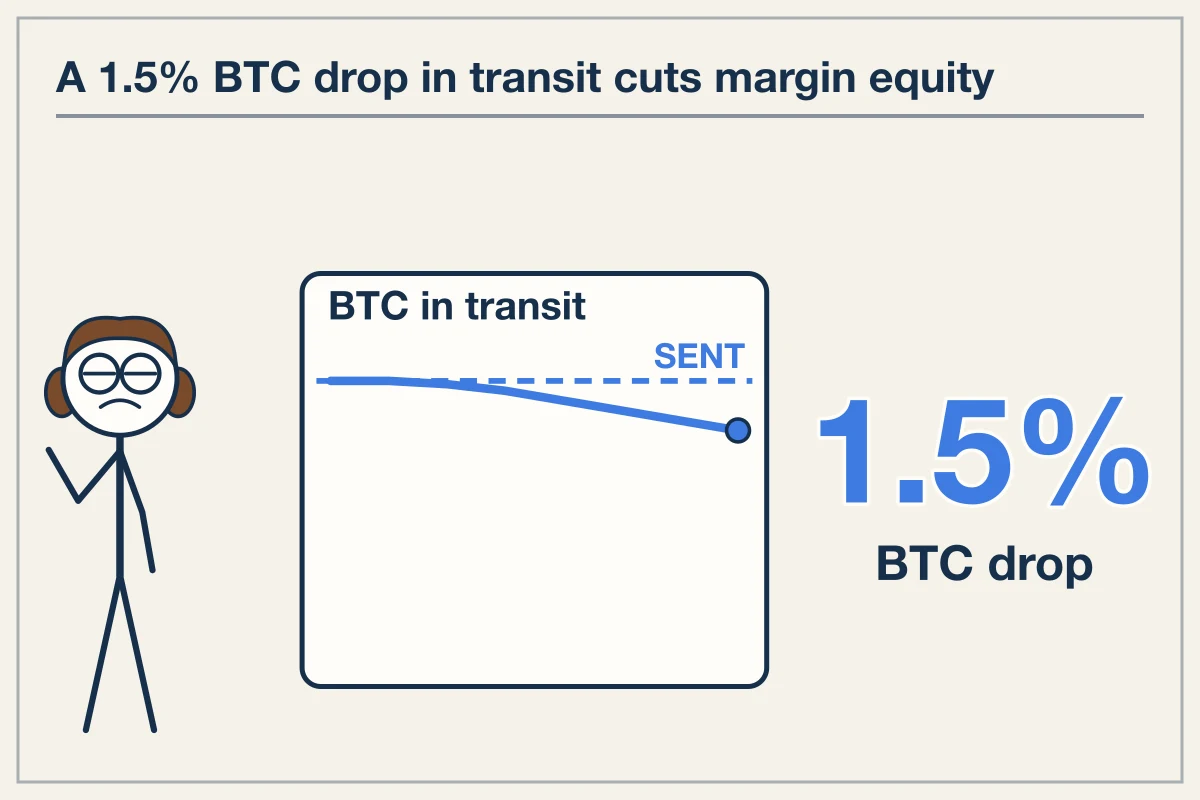
Moving 50,000 USD in collateral between perpetual venues via stablecoins avoids asset price volatility during transfer but incurs exchange execution fees up to 0.0550% on taker orders. Desk traders use fiat-backed or crypto-backed stablecoins rather than native assets like ETH or BTC because raw asset transfers expose capital to market price movement during block confirmation windows. A 1.5% drop in BTC during a 20-minute confirmation period reduces overall margin equity prior to position entry on the destination exchange.
Fiat-backed stablecoins like USDT and USDC maintain value through short-term US Treasury bills, bank deposits, and cash reserves matching issued tokens 1:1. Decentralized stablecoins like DAI rely on over-collateralized crypto positions managed by automated smart contract liquidations.
A depeg occurs when secondary market trading prices fall below or rise above the 1.00 USD target peg. Historical depegs stem from three specific mechanisms:
- Banking reserve illiquidity or insolvency, preventing real-time 1:1 cash redemptions.
- Exchange order book run dynamics, where sudden high redemption volume exceeds immediate market-maker buy liquidity.
- Automated liquidation failure during high-volatility events, where cascading collateral drops leave contract debt uncollateralized.
When a stablecoin depegs on a perp venue, contract margin values shift relative to index mark prices. This mechanism forces account liquidations even when the underlying perp contract price remains flat.
Fee Structures Across Perp Venues
Rebalancing capital requires closing or adjusting perpetual contracts, converting assets when necessary, withdrawing over a network rail, and opening new positions. Published default fee schedules determine the total friction of moving positions between venues.
| Exchange | Spot Maker | Spot Taker | Futures Maker | Futures Taker |
|---|---|---|---|---|
| MEXC | 0.0000% | 0.0500% | 0.0000% | 0.0200% |
| Bitget | 0.1000% | 0.1000% | 0.0200% | 0.0300% |
| OKX | 0.0800% | 0.1000% | 0.0200% | 0.0500% |
| Bybit | 0.1000% | 0.1000% | 0.0200% | 0.0550% |
Futures taker rates range from 0.0200% on MEXC to 0.0550% on Bybit. Spot taker rates sit at 0.0500% on MEXC and 0.1000% on Bitget, OKX, and Bybit. These base rates set the fixed execution cost of closing a position on one exchange and re-opening it on another.
Live Funding Rate Differentials
Differences in 8-hour funding rates create incentives to move collateral between desks. The table below displays current 8-hour funding rates and 24-hour volume across tracked assets.
| Asset | Lowest Funding Venue (8h) | Highest Funding Venue (8h) | Spread per 8h | 24h Volume |
|---|---|---|---|---|
| ETH | OKX (+0.0029%) | Bitget (+0.0100%) | 0.0071% | 9,004,423,909 USD |
| BTC | OKX (+0.0077%) | Bybit / Bitget / MEXC (+0.0100%) | 0.0023% | 5,807,605,867 USD |
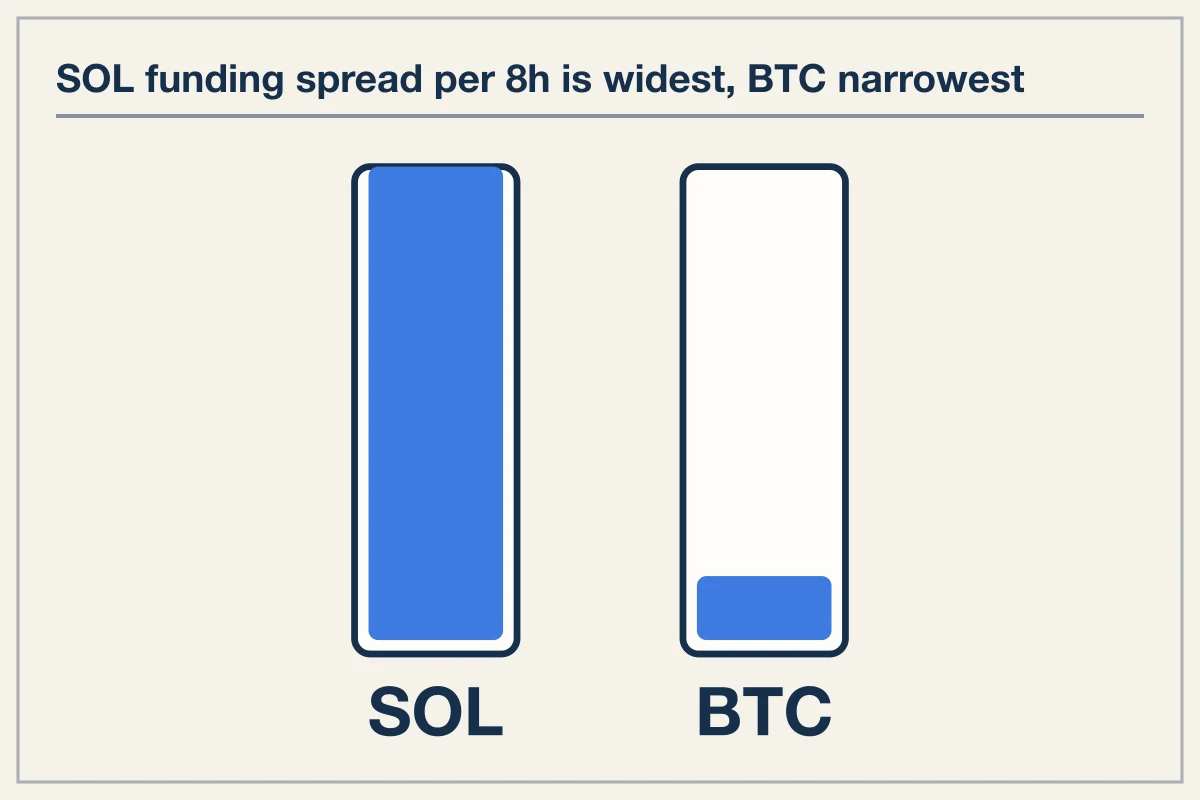
| SOL | OKX (-0.0089%) | Bitget (+0.0057%) | 0.0146% | 1,573,533,072 USD |
| ZEC | MEXC (+0.0015%) | Bybit / Bitget (+0.0100%) | 0.0085% | 774,247,373 USD |
| XRP | Bybit (-0.0041%) | Bitget (+0.0043%) | 0.0084% | 505,727,323 USD |
| XAU | MEXC (+0.0072%) | OKX (+0.0208%) | 0.0136% | 504,375,347 USD |
ETH displays a 0.0071 percentage point spread between OKX (+0.0029%) and Bitget (+0.0100%). SOL shows a 0.0146 percentage point spread between OKX (-0.0089%) and Bitget (+0.0057%).
Worked Arithmetic: Funding Arbitrage Payback Period
Consider migrating a 100,000 USD ETH long position from Bybit to OKX to lower funding payments.
Bybit ETH 8h funding: +0.0092% OKX ETH 8h funding: +0.0029% Spread per 8h interval: 0.0092% - 0.0029% = 0.0063%
Daily funding calculation across 3 settlement intervals per 24 hours:
- Bybit daily fee paid on 100,000 USD position: 100,000 0.000092 3 = 27.60 USD
- OKX daily fee paid on 100,000 USD position: 100,000 0.000029 3 = 8.70 USD
- Net daily funding savings: 27.60 — 8.70 = 18.90 USD
Migration fee calculation using taker execution on both venues:
- Close 100,000 USD position on Bybit at 0.0550% taker fee: 100,000 * 0.00055 = 55.00 USD
- Open 100,000 USD position on OKX at 0.0500% taker fee: 100,000 * 0.00050 = 50.00 USD
- Total execution cost: 55.00 + 50.00 = 105.00 USD
Payback duration: 105.00 USD total fee / 18.90 USD daily savings = 5.55 days
The position must remain open on OKX for more than 5.55 days (133.2 hours) to offset the initial taker execution fees. If funding rates converge before 5.55 days, the migration results in a net capital loss.
Network Rails and Settlement Latency
Moving physical collateral requires routing stablecoins across blockchain rails. Network selection impacts both withdrawal overhead and settlement speed:
- Ethereum (ERC20): Higher gas costs during network congestion; block confirmation times vary between 12 seconds and several minutes.
- TRON (TRC20): Standardized flat withdrawal fees across exchanges; confirmation finality typically under one minute.
- Solana and Layer-2 Networks: Sub-second block times and sub-cent network execution fees, though exchange deposit confirmation requirements vary.
If network latency delays collateral arrival during high market volatility, destination margin requirements cannot be fulfilled, risking liquidation on unhedged remaining positions.
Operational Execution Realities
Executing capital moves purely to capture short-term rate spreads fails when position duration is shorter than the fee payback period. Taker fee overhead consumes marginal funding spreads unless position size and duration justify the round-trip transaction drag.